RAWI: Connecting Arab American and SWANA writers since 1993.
For more than 30 years, RAWI has created and sustained a space in the American literary landscape that did not previously exist—one shaped by Arab American and SWANA writers themselves. Loved, challenged, and continually renewed by its members, RAWI lives not only its mission and values, but an ongoing history that responds to the changing realities, pressures, and urgencies facing our communities.
Our Story
Finding One Another
(Early 1990s)
Before RAWI existed, Arab American writers often worked in isolation, with little institutional recognition and few visible points of connection. Even as Arab American literature quietly expanded in the late twentieth century—through small presses, early anthologies, academic work, and community organizing—many writers believed they were alone.
During this period, scholars, writers, librarians, and organizers independently undertook the work of connection: searching library catalogues that did not yet name Arab American literature, writing letters across universities and borders, sharing bibliographies, and introducing writers to one another. These grassroots efforts laid the foundation for what would become a more formal literary community.
Early Organizing (1992–1993)
In 1992, journalist and cultural organizer Barbara Nimri Aziz, together with Leila Diab, began convening Arab American writers through an informal network that included newsletters and small meetings. At the same time, others were also working—often unknowingly in parallel—to connect Arab American writers and scholars across disciplines and regions.
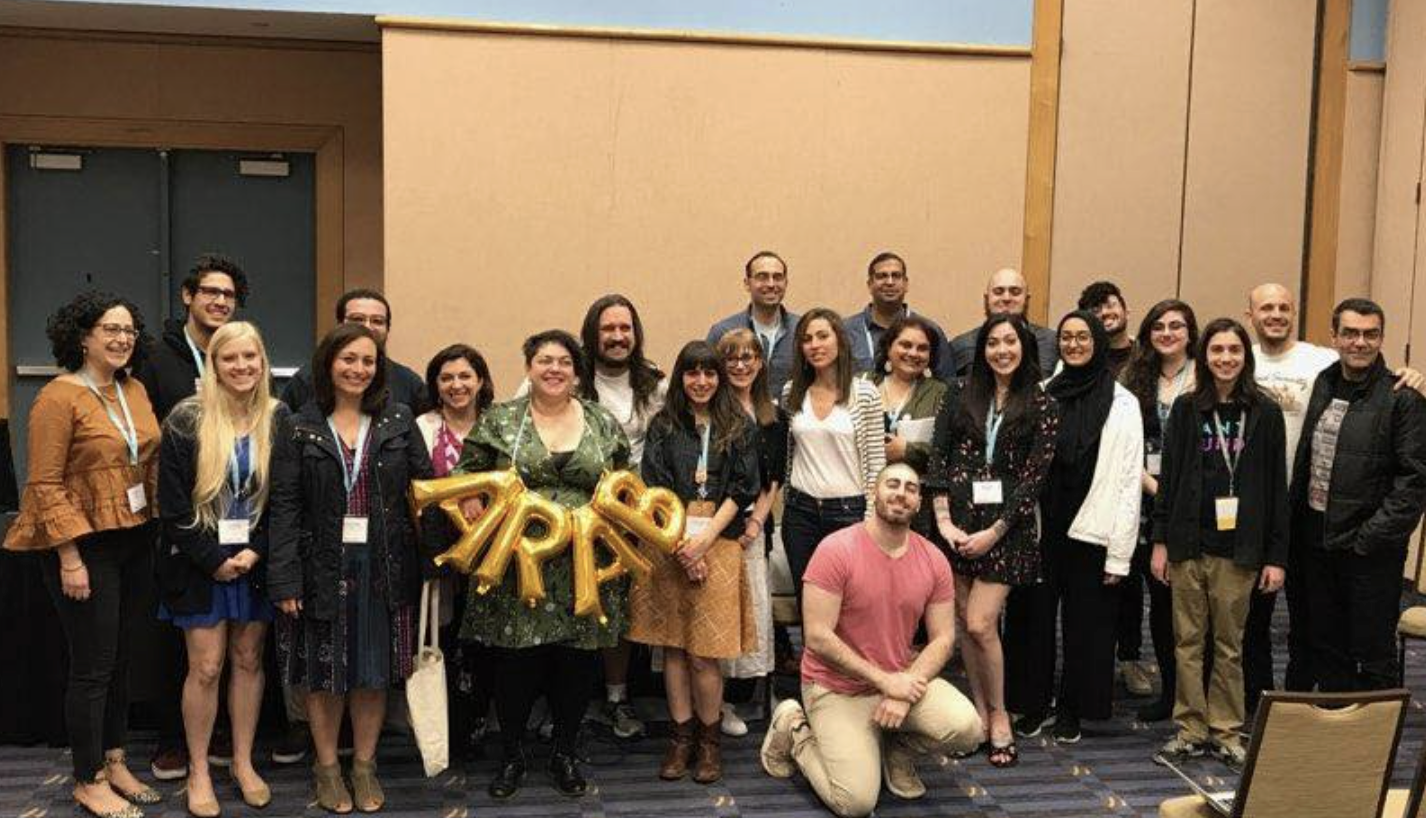
In 1993, these efforts converged in a pivotal gathering held during a national Arab American conference in Washington, DC. Around fifteen writers crowded into a hotel room to talk about vision, structure, and the need for a sustained organization. Many participants recall this meeting as a turning point: a moment when individual networks began to cohere into a shared project.
Building RAWI (1993–1995)
The organization took the name the Radius of Arab American Writers, or RAWI—Arabic for “storyteller”—a name proposed by poet Mohja Kahf, signaling both cultural inheritance and literary purpose. Early members collectively drafted newsletters, questionnaires, planning statements, and membership materials, with an explicit desire for the organization to be shaped by its members.
RAWI formally incorporated as a nonprofit in the mid-1990s. Early board members included writers and cultural figures such as Etel Adnan and D. H. Melhem, alongside scholar-writers deeply involved in building the organization’s foundations. Like many volunteer-led organizations, RAWI’s early years included moments of growth as well as tension, as roles were defined and leadership structures put into place.
What remained constant was the defining energy of the organization: collective labor, shared excitement, and a belief that Arab American writers deserved both visibility and community.
Growth, Visibility, Community
(Late 1990s–2000s)
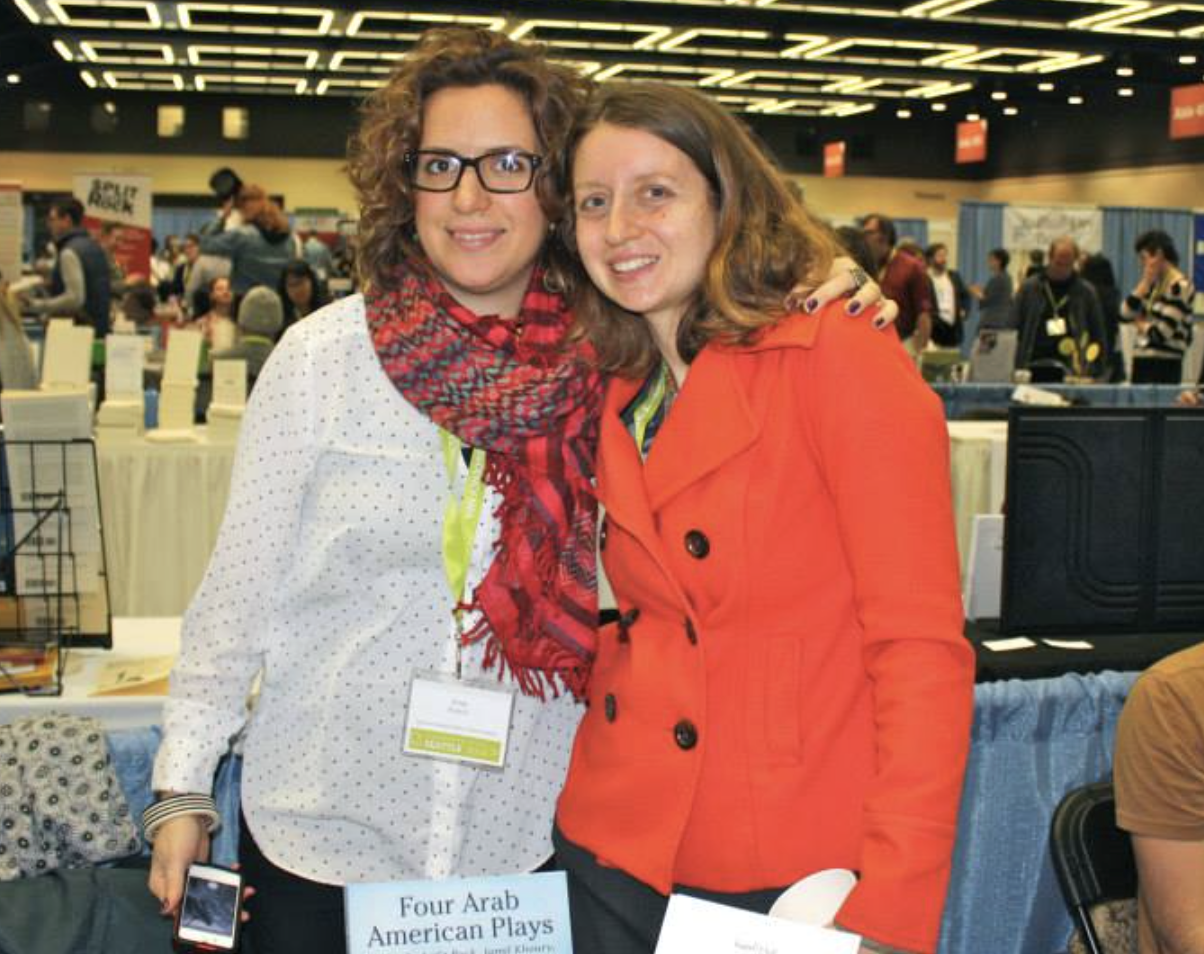
As RAWI expanded nationally, it became a regular space for Arab American literary life, in part thanks to its official newsletter. (See an archived copy here, courtesy of the Arab American National Museum.) Through organizational and informal networks of support, RAWI helped foster intergenerational exchange and a growing readership attuned to Arab/SWANA writing. As it launched its first website, digitized its newsletter, and maintained a presence at a variety of literary conferences, its leaders wrestled with important questions about how to best serve Arab American writers (DIWAN 2006 remarks courtesy of the Arab American National Museum).
RAWI supported both creative and scholarly work, recognizing that building a literary ecosystem meant sustaining writers across genres, career stages, and institutional locations. For many members, RAWI provided not only professional opportunity, but a sense of belonging—an audience that could read their work with cultural knowledge, political awareness, and care.
RAWIFest (2000s–Present)
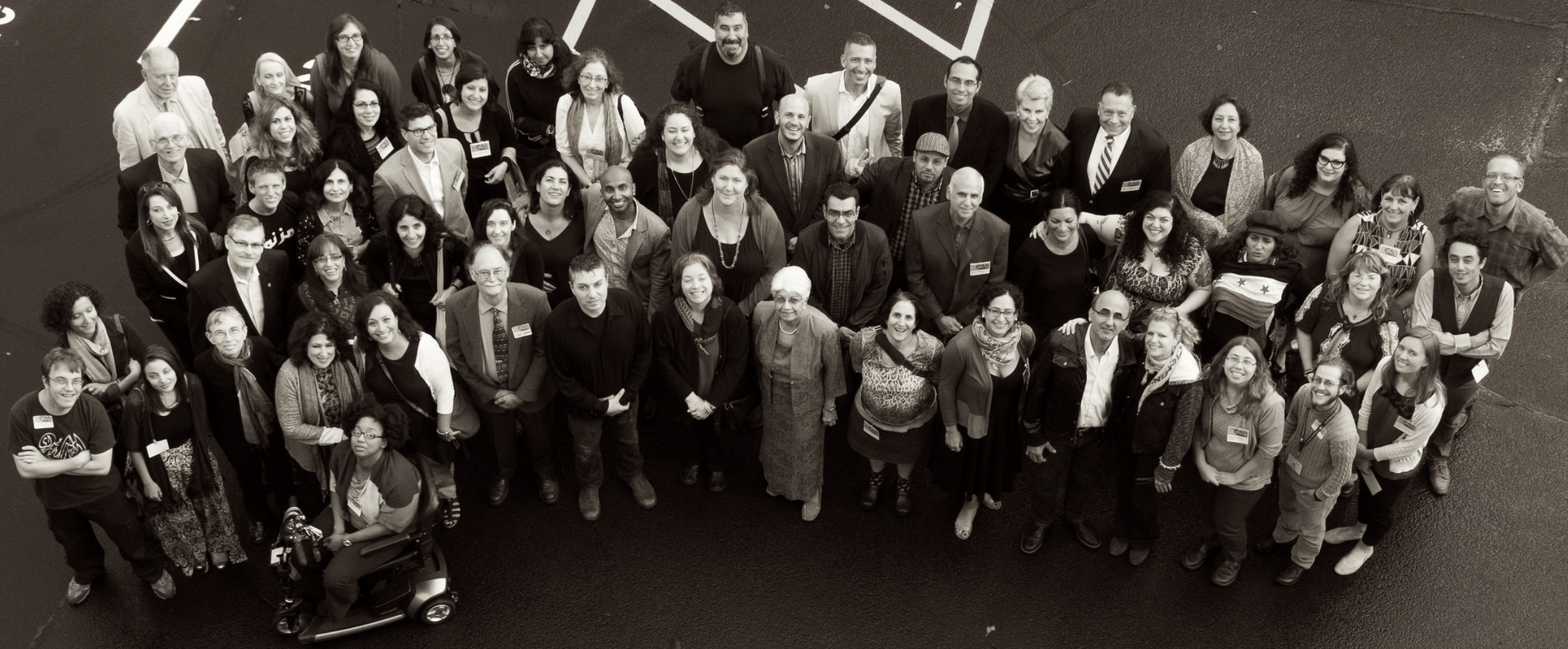
In 2005, RAWI began hosting RAWIFest, a biannual gathering that has since become the organization’s signature event. Conceived as a space for deep connection, creative exchange, and collective reflection, RAWIFest brings together writers across generations, genres, geographies, and political contexts. (View the 2010 program here, courtesy of the Arab American National Museum.)
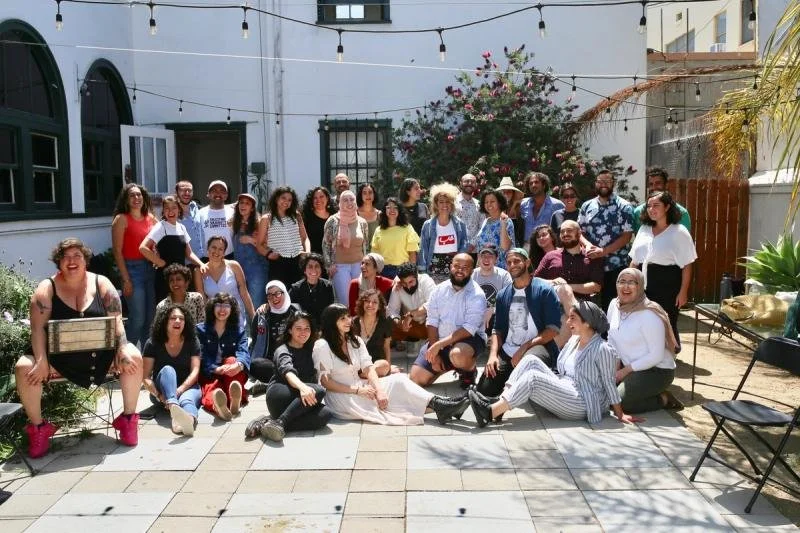
RAWIFest has grown steadily in scope and participation. A hybrid edition in 2023 drew more than 300 participants, expanding access and reach beyond physical location. In 2025, RAWIFest welcomed approximately 130 people in person, underscoring the continued importance of embodied gathering alongside virtual connection. Across formats, the festival has emphasized inclusivity, mentorship, shared inquiry, and the creation of space for voices often sidelined in mainstream literary venues.
More than a conference, RAWIFest reflects RAWI’s core values in practice: community over hierarchy, care alongside rigor, and literature as a site of both artistic excellence and collective responsibility.
Ongoing Commitments (2010s–Present)
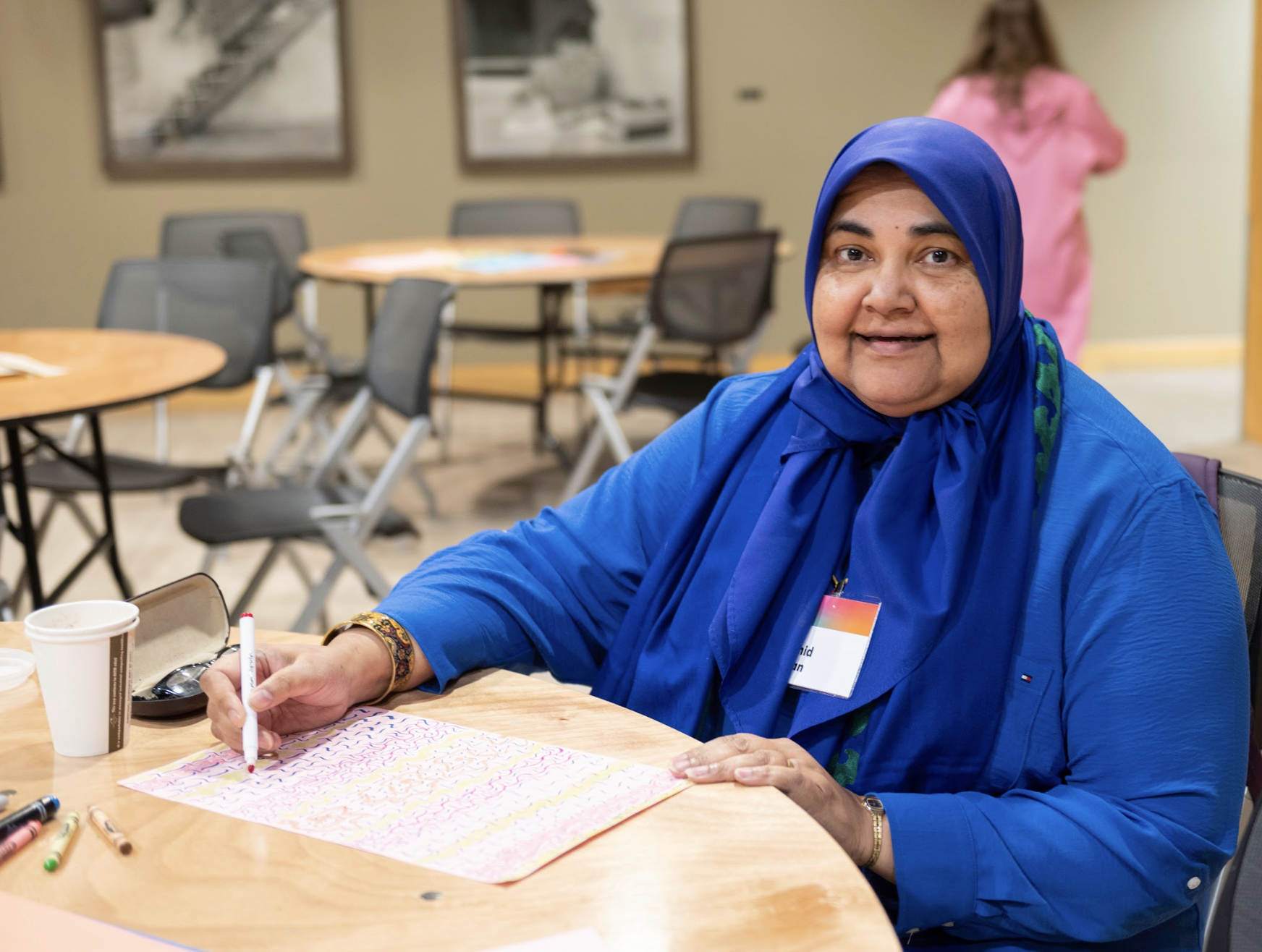
In recent years, RAWI has continued to evolve as a national 501(c)(3) literary organization providing mentoring, community, and support for Arab American writers and those with roots in Southwest Asia and North Africa and the Arabic-speaking world and diaspora. Our programs—readings, panels, workshops, roundtables, conferences, and festivals—often center voices most threatened by erasure.
RAWI has also been actively engaged in advocating for SWANA writers within mainstream cultural and academic institutions, particularly as questions of censorship, gatekeeping, and political pressure have intensified. Since October 2023, RAWI has helped hold space for shared grief, creative response, and collective discussion amid the escalation of censorship and silencing of pro-Palestinian voices, affirming literature as a vital site of witness, resistance, and care.
Past into Future
Today, RAWI understands itself as both an institution and a living network—one shaped by many hands, across generations, geographies, identities, and languages. As we look forward, we are also committed to being better stewards of our own history: acknowledging complexity, honoring collective contributions, and ensuring our story remains inclusive and accurate.
If you are a past or current RAWI member and wish to share memories, documents, or perspectives that can help illuminate our institutional past, we warmly welcome your contributions. RAWI’s history, like its literature, is strongest when it is held—and told—together.